VI

Smart parking management system | Complete guide 2026
When vehicle volume is high, the risks of congestion, revenue loss and difficulty retrieving vehicle records also increase. The smart parking management system was developed to address these challenges by connecting management software with cameras, recognition devices, barriers, ticket dispensers and other control equipment. All vehicle data, entry and exit times, parking tickets and revenue are recorded in one system, making parking operations faster, more transparent and easier to control.
What is a smart parking management system?
A smart parking management system is a solution that combines software and hardware devices to automate vehicle entry and exit control, parking-ticket management, parking-fee payment, image storage and revenue tracking,….

Instead of having staff carry out the entire process manually, the system can automatically record information as soon as a vehicle passes through the control area. License-plate recognition cameras capture vehicle images, while the software records the entry time and links the data to a ticket, card or QR code. When the vehicle leaves the car park, the system continues to identify and compare the information to determine the parking duration and the fee due.
A complete system usually includes central management software, license-plate recognition cameras, card readers or QR-code readers, automatic barriers, ticket dispensers, display screens, servers and a network system connecting the devices. Depending on the scale and parking model, the configuration can be expanded with equipment such as automatic payment machines and parking-space guidance displays,…
The key point is not having many devices, but ensuring that they can exchange data consistently with one another. When a vehicle enters, information from the camera and control devices is sent to the software. When it exits, the system uses the stored data to compare and verify the vehicle. This enables managers to monitor all parking operations from one centralized system.
Key features of a smart parking management system
Automatic license-plate recognition
Cameras are installed at entrance and exit lanes to record license plates and vehicle images as vehicles pass through. This information is stored by the software together with the entry or exit time, creating a vehicle history. When the vehicle returns to leave, the system can compare the current license plate with previously recorded data.
For high-traffic car parks, automated recognition also reduces the time vehicles spend at the gate. This is especially useful in apartment buildings, shopping centres, hospitals, office buildings and industrial zones, where vehicle numbers can rise sharply at certain times of day.
Ticket, card and QR-code management
Depending on the parking model, the system can use single-use tickets, magnetic cards, RFID cards or QR codes to identify a vehicle’s right to use the service.

For short-stay customers, vehicle information and entry time can be linked to a ticket or identification code. For residents, employees or regular customers, the system can manage monthly cards or individual accounts, reducing processing time at the gate.
See also: Smart parking traffic flow | Fast entry and exit without congestion while maintaining operational efficiency?
Smart payment
A smart parking management system not only records vehicles but can also automatically calculate fees based on a preconfigured price list.

The operating unit can set fees by parking duration, vehicle type, time period or usage type. For example, car parking fees may differ from motorcycle fees; daytime rates may differ from nighttime rates; and short-stay customers may be charged differently from monthly-ticket users.
Image monitoring and vehicle history
When incidents occur, such as customers reporting lost belongings, vehicle mix-ups, disputes over parking time or suspicion that a vehicle’s information is incorrect, managers can look up its history in the software instead of manually reviewing every camera.

The ability to search by license plate or time makes data retrieval faster. Depending on the system configuration, images can be stored for a defined period on a server or storage system set up for the car park.
To use this function effectively, storage capacity must also be calculated from the design stage. The larger the car park, the more cameras it has and the longer images need to be retained, the greater the storage requirement.
How does a smart parking management system work?
- The operating process normally begins when a vehicle approaches the entrance gate. A license-plate recognition camera records vehicle information and captures an image. At the same time, the system identifies the relevant control method, such as a single-use ticket, card or QR code.
- Once the information is verified, the automatic barrier opens to allow the vehicle to enter. License-plate, time and image data are stored in the management software.
- When the vehicle leaves the car park, the camera continues to recognize the license plate. The software finds the vehicle’s corresponding data, determines the parking time and calculates the fee according to the configured price list. Once payment is completed or exit authorization is confirmed, the barrier is opened.
This entire process creates a continuous data chain from the time a vehicle enters until it leaves the car park. This is the key difference between an automated management system and manual management.
See also: Parking facility fire safety regulations 2026 | Standards & solutions
Factors to consider when choosing a smart parking management system
A good system must meet three requirements at the same time: fit the parking model, operate reliably and be expandable as demand grows.
First, determine vehicle traffic volume and the number of lanes. This is the basis for calculating the required number of cameras, barriers and control devices. If the design capacity is too low for actual traffic, the system may become a bottleneck during peak hours.
Next is the integration capability between hardware and software. Cameras, readers, barriers, ticket dispensers and software need to exchange data reliably. Using incompatible equipment can make operations complicated and incidents difficult to handle.
Storage capacity must also be calculated from the outset. If a car park has many cameras and requires long-term image retention, the system needs sufficient storage capacity to prevent older data from being overwritten too soon.
Finally, consider scalability. If the business expects to add more gates, lanes, automated payment or additional car parks in the future, the system should be designed for upgrades rather than requiring a complete replacement.
Which provider offers end-to-end smart parking installation?
If you are looking for a provider that supplies and installs complete smart parking solutions, VIET CHAO offers comprehensive solutions for many models, including apartments, office buildings, hospitals, schools, shopping centres and urban areas.
Viet Chao implements integrated smart parking management systems, from site surveys, solution consulting and system design to equipment supply, installation, configuration and operational handover. Depending on the actual scale and requirements, the system can integrate equipment such as license-plate recognition cameras, automatic barriers, card readers, management software, LED boards and entry-exit control devices.
Contact us via hotline 0898 55 28 88 for advice on a smart parking management system that suits your project site and operating needs, as well as a detailed quotation for a complete implementation plan.
Frequently asked questions about smart parking management systems
Must a parking system use magnetic cards?
Viet Chao’s smart parking projects commonly use RFID for license-plate recognition, with additional options including magnetic cards and QR codes,…
Can the system operate during a power outage?
Operation during a power outage depends on the backup-power design of each system. For car parks that require continuous operation, a UPS or backup power source should be planned for critical equipment.
Can license-plate recognition cameras identify plates accurately?
Nothing is absolutely accurate; recognition results depend on camera quality, installation position, lighting, weather, viewing angle and the condition of the license plate. Therefore, a site survey before installation is an important step in ensuring effectiveness.
Can the system be upgraded after it is put into use?
Yes. A well-designed system should be able to expand with additional cameras, lanes, control devices, payment methods or management features as needs arise,…
Other news

In many large cities, parking demand is growing faster than the available land. Traditional parking garages require ramps, wide driving lanes, and large circulation areas, which limits the number of vehicles that can be accommodated on a small site. A mechanical parking tower provides a different approach. By using automated lifting systems and vertical storage…
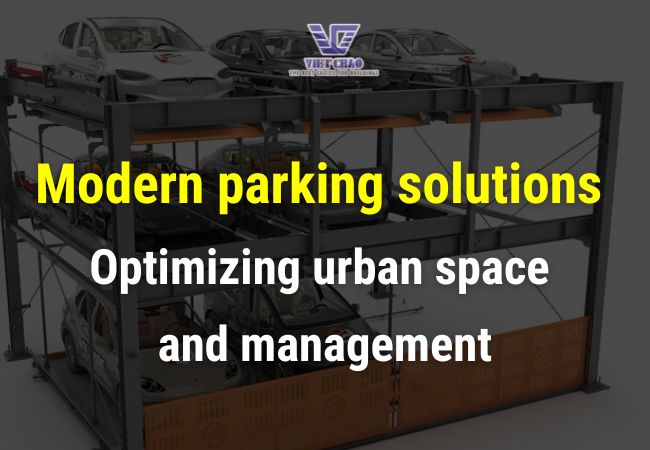
In 2026, the global demand for efficient parking systems has reached an all-time high. As urban areas become more congested, traditional parking solutions are being replaced by automated systems that maximize space and enhance user convenience. Below, we will provide you information about types of parking, parking solutions for buses, and fees along with reliable…

In today’s urban planning, visitor parking is no longer just a secondary amenity; it has become a mandatory standard for evaluating the prestige of a project. Optimizing this area helps resolve traffic congestion and significantly enhances the commercial value of the building. The core and role of visitor parking Visitor parking is a dedicated area…
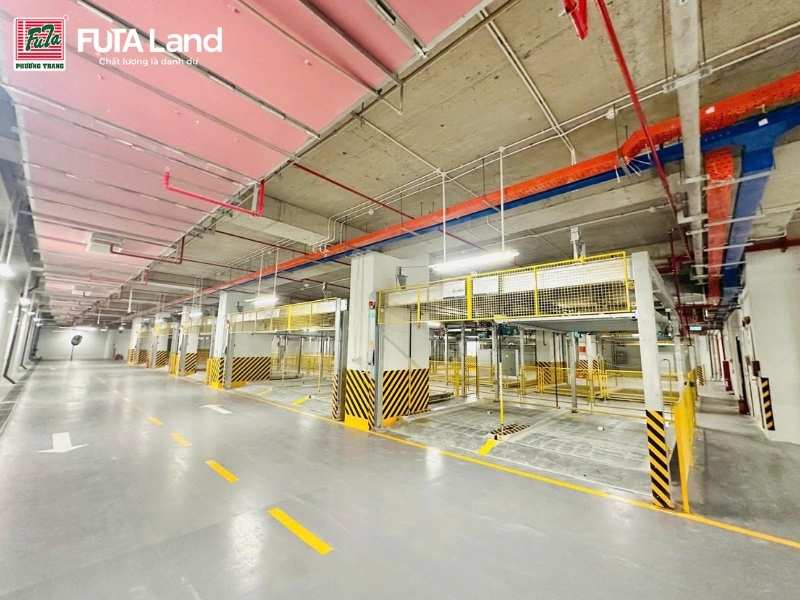
In modern urban environments, understanding of car parking system is essential for optimizing space, improving efficiency, and enhancing user experience. As cities grow denser, traditional parking is no longer sufficient, leading to the development of advanced parking solutions. This guide explores the most common types of car parking system and their key features, benefits, and…

As urban land in major metropolises like Hanoi and Ho Chi Minh City becomes increasingly scarce, automated solutions such as Callao Smart Parking and XIZI iParking have become the “key” to solving infrastructure challenges. Callao smart parking – A model for urban centers Callao smart parking is a renowned automated parking system located in the…